
What value does a water reading deliver if teams can’t connect it to a user, area or asset, or to the systems they already operate? A smart water sub metering system links individual meter readings to communications and data platforms, giving teams a clearer view of consumption at defined points.
Collecting readings is only part of a deployment. Teams also need to define what each meter measures, check protocol compatibility, map the communications path and decide how data will reach operational platforms. This article explains the system architecture, practical design responses to common challenges and a documented multi-utility AMI project that illustrates how the components can fit together.
The project scope included water and electricity metering, custom Head-End System integration, DLMS and M-Bus support, on-demand reading and OTA firmware updates. These details offer a practical reference for planning, without implying that every deployment uses the same configuration or delivers a particular outcome.
Key Takeaways
- A smart water sub metering system connects readings for defined users, areas or assets to data that operations teams can review.
- Trace the full data path, from meter measurement through communications and protocol handling to platform presentation.
- Address fragmented readings, integration gaps and unclear ownership with consistent meter identifiers, mapped data and assigned responsibilities.
- Plan the deployment by setting measurement boundaries, mapping existing systems, validating readings and assigning data ownership.
- The documented multi-utility AMI project shows how water metering can be integrated with electricity metering and a Head-End System.
Table of Contents
- What a Smart Water Sub-Metering System Measures and Why It Matters
- How Smart Water Sub-Metering Data Moves Through an AMI System
- Smart Water Sub-Metering Challenges and Practical Design Responses
- How to Plan a Smart Water Sub-Metering Deployment
- What the ADDC Multi-Utility AMI Project Shows About Smart Water Sub-Metering
What a Smart Water Sub-Metering System Measures and Why It Matters
A water submeter records consumption at a defined point downstream of a broader supply measurement. The point might represent a particular user, operating area or water-consuming asset. This helps teams see how consumption is distributed instead of relying only on a total for the facility.
A meter reading is a measurement. A smart water sub metering system connects that measurement to communications, data handling and a platform where users can review it. The connection makes consumption information available for operational review, but it does not decide what action to take or how usage should be charged.
How Sub-Metering Differs from Master Metering
Consider a facility with a master meter at the incoming supply and submeters assigned to selected areas or users. The master reading represents the broader supply, while downstream readings cover the points included in the submeter design. Comparing the records can help teams understand how usage is distributed. The allocation reflects measurement boundaries, not a billing policy, which must be established separately.
This distinction is essential when interpreting water data. A Water meter measures water passing through a point. A connected system adds ways to transmit and present readings. The value comes from matching each measurement point to a useful operational boundary, such as a process area or separately managed user. If boundaries are poorly defined, readings may be accurate but difficult to interpret.
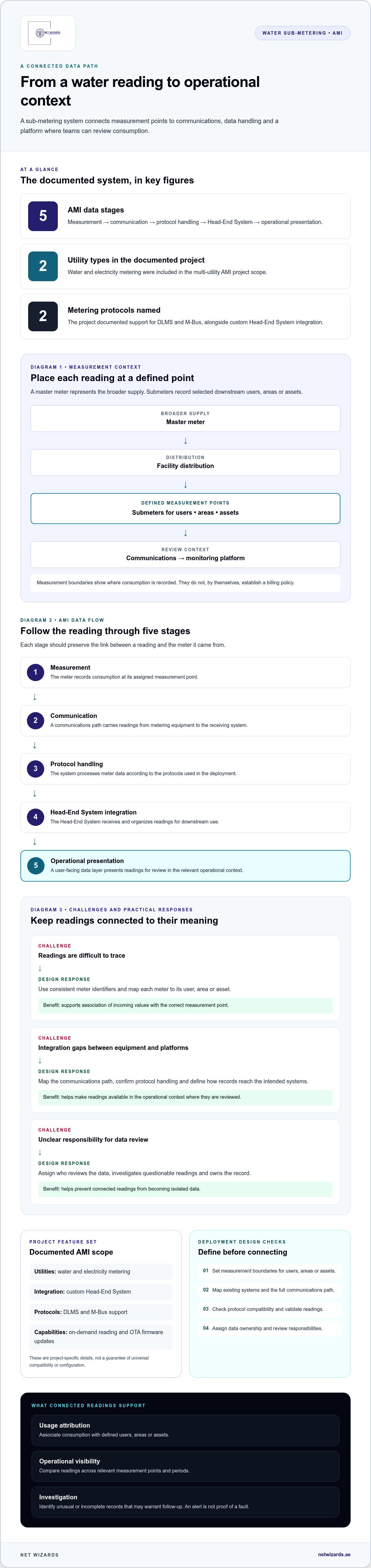
Diagram 1. From supply measurement to operational visibility
Broader supply → Master meter → Facility distribution → Submeters assigned to users, areas or assets → Communications → Monitoring platform
Each submeter represents a defined measurement point. The platform presents the readings in the context of those points.
What Makes Water Metering Smart?
A connected system brings together meters that record consumption, communications that carry readings, integration that handles incoming data and a presentation layer for operational users. The design establishes which points report, how readings are associated with locations or assets, and where staff can review them. Smart capability comes from this connected data path, not from the meter alone.
Separate measured consumption from its interpretation. A reading shows the quantity recorded for a point and period. Alerts, analytics and automated actions require additional configured capabilities. Define who reviews the data, how a questionable reading is investigated and which platform owns the record. Clear responsibilities help prevent readings from becoming isolated data.
For industrial operators, the practical uses include:
- Usage attribution: associate consumption with defined users, areas or assets.
- Operational visibility: compare readings across relevant measurement points and periods.
- Investigation: identify unusual or incomplete records that may warrant follow-up, without treating an alert as proof of a fault.
These benefits depend on sound measurement boundaries and integration. When readings are connected to clear operational responsibilities, teams can focus reviews and direct investigations. Without those foundations, connected meters can add data that still needs to be reconciled.
How Smart Water Sub-Metering Data Moves Through an AMI System
A smart water sub metering system depends on a defined data path. The meter must capture a reading, communications must carry it, and receiving systems must preserve enough context for teams to interpret it. If a stage fails, a value may arrive late, appear without a clear source or remain unavailable to the people responsible for operations.
In an Advanced Metering Infrastructure (AMI) deployment, the flow can be understood in five stages:
- Measurement: The meter records consumption at its assigned measurement point.
- Communication: A communications path carries readings from the metering equipment to the receiving system.
- Protocol handling: The system processes meter data according to the protocols used in the deployment.
- Head-End System integration: The Head-End System receives and organizes readings for downstream use.
- Operational presentation: A user-facing data layer makes readings available for review in the relevant operational context.
Diagram 2. AMI data flow
Water meter → Communications path → Protocol handling → Head-End System → User-facing data layer
Each stage needs to preserve the relationship between a reading and its originating meter.
Meter Readings, Protocols, and the Head-End System
The Head-End System is a receiving and organizing layer between field metering and the systems that use the data. The integration design should define how each meter is identified, how its readings are represented and how records become available to the intended platform or users. Without consistent mapping, teams may struggle to associate incoming values with the correct measurement point.
The ADDC Multi-Utility AMI Project documented support for DLMS and M-Bus alongside custom Head-End System integration. These are project-specific integration details, not a guarantee of universal compatibility across meters, protocols or platforms. Before selecting an integration approach, define how the equipment communicates and how the system will handle its data.
On-Demand Readings and Remote Firmware Updates
The documented project capabilities also include on-demand reading and over-the-air (OTA) firmware updates. On-demand reading provides a way to request a meter reading through the system. OTA updates describe firmware delivery over a communications path rather than through a local physical connection. These capabilities are part of the project scope; they do not imply a particular response time, update schedule or automatic operational result.
For deployment planning, define how requested readings will be identified and displayed, and how firmware updates fit into system responsibilities. Keep measurement records distinct from update status and operational decisions. This helps teams understand what the platform reports and what staff must assess or act on.
Mapping these stages early can expose gaps between field devices, communications and enterprise platforms. NET WIZARDS L.L.C provides an AMI Sub-Metering Platform for metering, communications and integration requirements. Teams planning a project can discuss AMI sub-metering integration in relation to their facility’s data flow.
Smart Water Sub-Metering Challenges and Practical Design Responses
A smart water sub metering system can collect readings without making them immediately useful. Data may be fragmented across meter types, disconnected from operational platforms or left without an assigned reviewer. Address these issues during design. A defined response to each challenge makes readings easier to interpret and gives operations teams a clearer basis for investigation.
Challenge-to-response guide
- Metering: Fragmented readings. Define measurement boundaries and consistent meter identifiers so each reading maps to its intended user, area or asset.
- Connectivity: Incomplete data flow. Map how readings travel from field equipment to receiving systems, then decide where transmission status and data completeness will be reviewed.
- Integration: Different protocols and data structures. Agree on data fields, mappings and validation responsibilities across meter and platform interfaces.
- Operations: Unclear ownership. Assign responsibility for reviewing readings, investigating exceptions and maintaining platform records.
Challenge: Inconsistent Data Across Meter Types
Different meters may use different protocols or represent readings in ways that need translation before teams can compare them. Without defined mapping, a platform may receive values that are difficult to reconcile or associate with the correct measurement point. The ADDC Multi-Utility AMI Project provides a project-specific example of DLMS and M-Bus support, but does not establish universal compatibility. During design, define meter identifiers and required data fields, then assign responsibility for validating incoming records.
Validate the full data path, not just whether the meter produces a reading. Compare a known meter record with the value shown in the operational platform. Check the identifier and measurement context, and document how exceptions are handled. This gives the team a repeatable way to resolve mapping issues before they undermine confidence in the combined data.
Challenge: Turning Readings into Operational Action
Collecting data and acting on it are separate responsibilities. A reading can improve visibility, but staff still need a review procedure and ownership for follow-up. Assign a role to assess unusual or missing records, determine whether investigation is appropriate and record the outcome. This supports structured review without implying that the system guarantees savings or resolves an issue automatically.
Sub-metering alone does not establish that a leak has occurred. Leak detection requires suitable sensing and system configuration, along with a process for assessing indications before action is taken. Do not assume a consumption reading triggers an alert, identifies a fault or shuts off water unless those capabilities are specifically designed and configured.
Diagram 3. Match each system layer to a response
Metering → define points and identifiers | Connectivity → trace the data path | Integration → map and validate records | Operations → assign review and follow-up
Clear responsibilities help teams distinguish a measurement issue from a communications, integration or operational issue.
The practical benefit is a more interpretable record and a clearer route from observation to investigation. Define the data owner, validation method and operational response for each relevant reading type. This helps teams use connected metering as an operational resource rather than treating data collection as the outcome.
How to Plan a Smart Water Sub-Metering Deployment
A well-scoped deployment starts with operational questions, not a choice of communications technology. A smart water sub metering system should measure the points that matter to facility teams and make readings available in a form they can interpret. Define the intended use first, then specify the measurement boundaries, interfaces, validation approach and responsibilities.
Define Measurement Boundaries and Data Requirements
Identify which users, areas or assets need separate consumption visibility, and record what each measurement point represents. Then map existing meters, communications paths and operational platforms. This inventory shows which systems already hold relevant data and where new integration is needed, before the project settles on a technology or architecture.
Specify what information the deployment must deliver. Describe the required reading cadence in operational terms: do teams need routine records, readings on request or both? Define the use cases those readings will support, such as reviewing consumption by area or investigating a change in a particular record. Set requirements according to the site’s needs rather than assuming a standard interval.
Use this sequence to turn requirements into a project scope:
- Define boundaries: Specify what each measurement point represents and what it should help the team understand.
- Map existing systems: Record current meters, communications, data platforms and relevant interfaces.
- Set integration needs: Identify required protocols, data fields, meter identifiers and destinations for readings.
- Establish validation: Agree how the team will test receipt, identification and presentation of readings.
- Assign ownership: Name the roles responsible for data quality, exception review and operational follow-up.
Validate Integration and Operational Readiness
Before acceptance, test the complete reading path against agreed criteria. Confirm that a reading reaches the intended system, retains its meter identity, passes through the required protocol handling and appears in the correct context in the user-facing data layer. Document how missing, unexpected or mismatched records are reported and who resolves them. Clear criteria make acceptance more objective and expose interface gaps before routine operations depend on the data.
Operational readiness requires the same discipline. Assign responsibility for monitoring data quality and handling exceptions, and define how unresolved issues move to the next responsible role. Clear ownership supports more interpretable readings, explicit system interfaces and accountable operations. NET WIZARDS L.L.C’s AMI Sub-Metering Platform connects metering, communications and platform integration as part of this system-design context.
For a deployment that coordinates water and electricity metering, define shared data and integration requirements alongside the separate measurement boundaries. This keeps each utility’s readings distinguishable while supporting a coherent operational view. Technology decisions can then follow documented requirements rather than drive them.
What the ADDC Multi-Utility AMI Project Shows About Smart Water Sub-Metering
A documented project can show how components fit together without serving as a universal template or proof of quantified results. The ADDC Multi-Utility AMI Project is a reference for understanding how water metering can sit within a broader AMI scope. Its documented capabilities describe project scope, not savings, leak prevention or other outcomes.
Documented Project Scope and Integration
The project included dual water and electricity metering, custom Head-End System integration and support for DLMS and M-Bus protocols. Documented capabilities also included on-demand reading and OTA firmware updates. These details establish the stated project scope; they do not specify a universal configuration or compatibility with every meter or platform. The example is useful because it brings multi-utility measurement and Head-End System integration into one documented deployment.
What Facilities Teams Can Apply to Their Own Planning
Use the project as a prompt for defining requirements, not as a template to copy. For a smart water sub metering system, facilities teams can turn its scope into questions about their measurement boundaries, interfaces and data responsibilities. The answers should reflect the intended use and existing systems.
- Measurement boundaries: Which users, areas or assets need distinct water readings, and how will each point be identified?
- Interfaces: How will readings pass through protocol handling and Head-End System integration into the intended data environment?
- Data ownership: Which team will review readings, validate data quality and handle exceptions?
- Operational use: What decisions or investigations could clearer consumption visibility support?
These questions help teams define what the system must deliver before settling its design. Clear boundaries make records easier to interpret. Explicit interface requirements support integration planning, while named responsibilities give teams a route for reviewing data and addressing exceptions. These are practical benefits of a well-defined system, not guarantees of savings or leak prevention. Any detection capability depends on suitable sensing and configuration, rather than sub-metering alone.
The documented combination of water and electricity metering also highlights a planning consideration for facilities managing more than one utility: establish how each utility’s data will be identified and integrated without blurring its distinct measurement context. The ADDC example documents this multi-utility scope, while each deployment still needs requirements suited to its own workflows.
The central lesson is alignment. Meter data, supported protocols, Head-End System integration and operational workflows need to form a coherent design. A project reference can clarify the questions to resolve; the deployment’s own scope and ownership determine how readings become useful to the teams responsible for them.
Make the Next Step a Clear Operational Brief
Before committing to a smart water sub metering system, turn operational priorities into a concise decision brief. Record which decisions the data should support, which teams will use it and how the system should fit existing workflows. This gives engineering, operations and digital teams a shared basis for assessing scope and resolving competing requirements.
Keep the brief useful beyond initial deployment. Document assumptions, interfaces and ownership so future changes can be assessed against the original intent. A disciplined starting point helps teams make informed design choices and maintain accountability as operational needs evolve.
NET WIZARDS L.L.C provides an AMI Sub-Metering Platform that brings metering, communications and platform integration into the system-design conversation. A clear operational brief helps align the solution with the way your facility works.
Frequently Asked Questions
What is a smart water sub-metering system?
A smart water sub-metering system measures consumption at selected points and makes readings available through connected data systems. Unlike a standalone meter that must be read locally, a connected arrangement can transmit readings for review in a platform. In an industrial facility, this can help staff examine water use by a defined process area or asset, provided measurement points and data context are clear.
How is a water submeter different from a master meter?
A master meter records water entering or serving a broader supply boundary, while a submeter measures consumption at a downstream point. Comparing them can help teams see how much of the overall supply is represented by separately monitored areas. A difference may warrant investigation, but does not identify a cause by itself. Teams may need to check whether all relevant downstream points are included before interpreting a discrepancy.
Can a smart water sub-metering system detect leaks automatically?
Not from metering alone. A consumption reading may help staff notice a pattern that warrants investigation, but automatic leak detection requires suitable sensing and deliberate system configuration. The system must be designed to identify relevant conditions, and teams need a process to verify an indication before acting. A reading that differs from expectations is a prompt for review, not proof of a leak or confirmation of its location.
How does a smart water sub-metering system send readings to a platform?
The meter produces a reading, and a communications path carries the data to systems that receive and organize it before presentation in a platform. The path and data handling depend on the deployment architecture and interfaces. The platform needs to receive the reading with enough context to identify its source and measurement point. A displayed value without that association can be difficult to use operationally.
Can smart water sub-metering work with existing meters?
It can if the existing meters provide data through interfaces the planned system can handle. Assess what each meter outputs, how it identifies readings and whether an integration component such as a gateway or protocol converter is appropriate. Compatibility depends on the equipment and architecture, so validate representative readings through to the intended platform before relying on legacy meters for operational reporting.
What is the role of a Head-End System in AMI sub-metering?
A Head-End System receives meter communications and manages meter data between field devices and downstream applications. It provides a structured point for organizing incoming records before other platforms use them. Its design should account for how meters are identified and how readings are exposed to the systems that need them. Clear interface definitions help prevent duplicate, incomplete or difficult-to-trace records during integration and ongoing operations.
What challenges should facilities plan for before deploying water submeters?
Plan for measurement boundaries that do not match operational needs, inconsistent data across meter types, communication gaps and unclear responsibility for exceptions. Start by documenting which points matter and how their readings should be identified. Map interfaces between meters and platforms, then test data through the intended path. Assign a team to review missing or unexpected records. These steps support dependable interpretation without assuming that connected metering automatically resolves operational issues.
To plan an AMI Sub-Metering Platform around your facility’s measurement points, integration needs and operational workflows, contact NET WIZARDS L.L.C.