
Visibility in remote locations
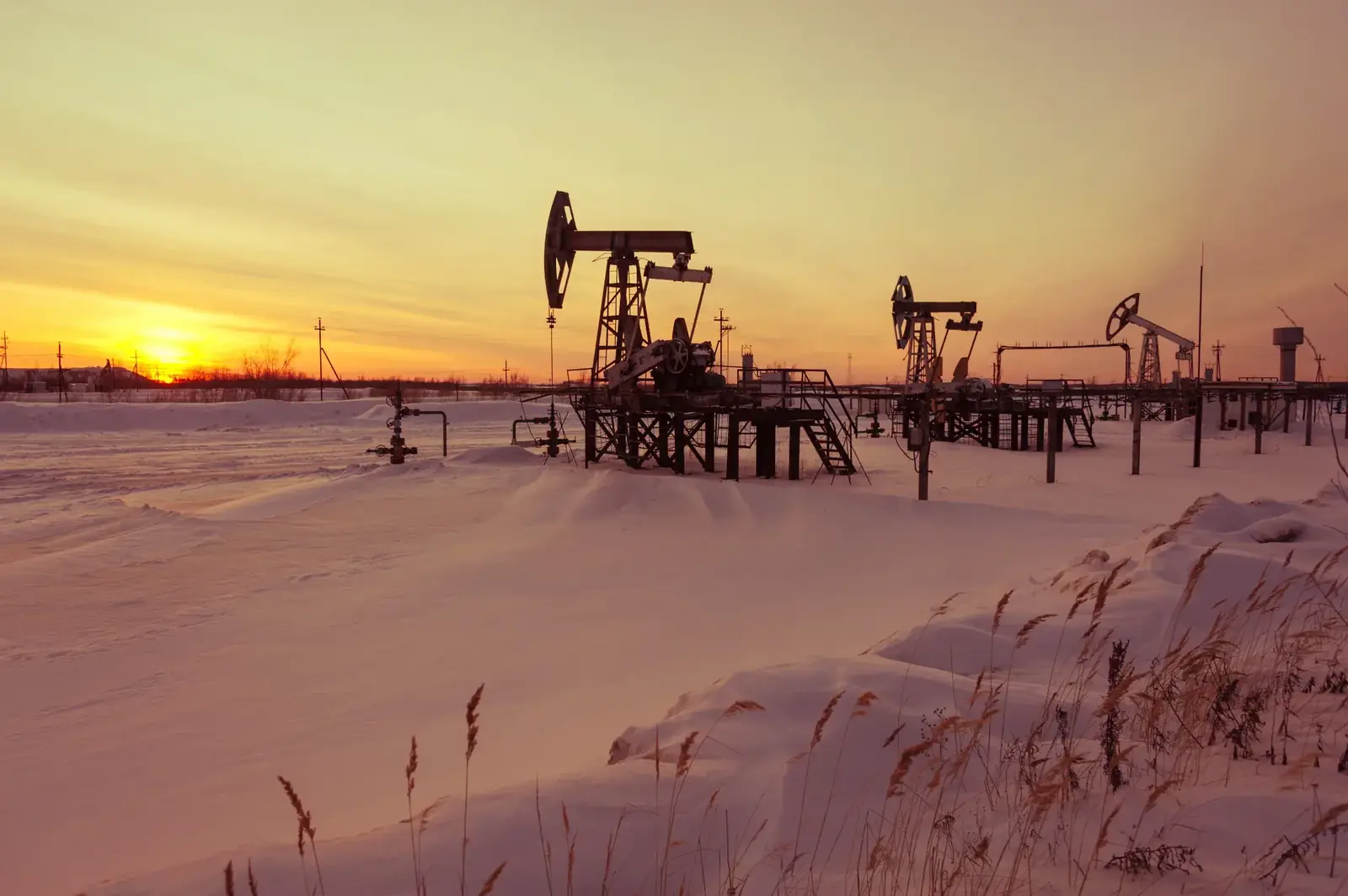
Wellheads, valve stations and pipeline corridors report pressure, flow and equipment condition over long range wireless or satellite links.
Oil and gas technology solutions
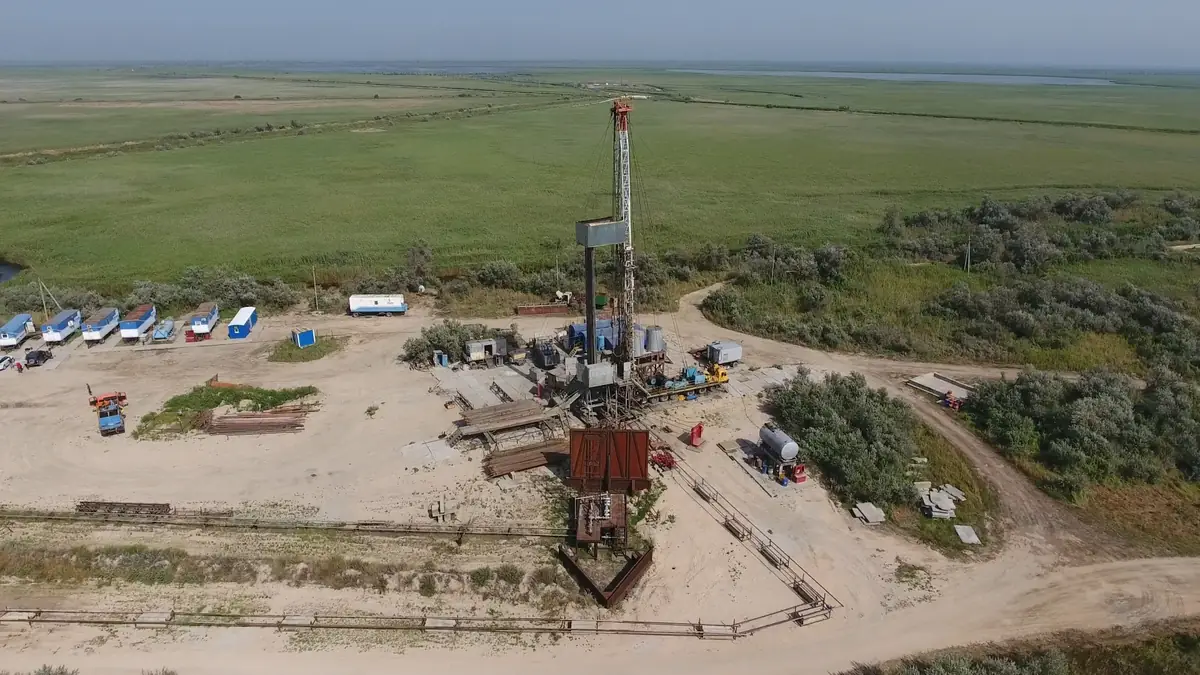
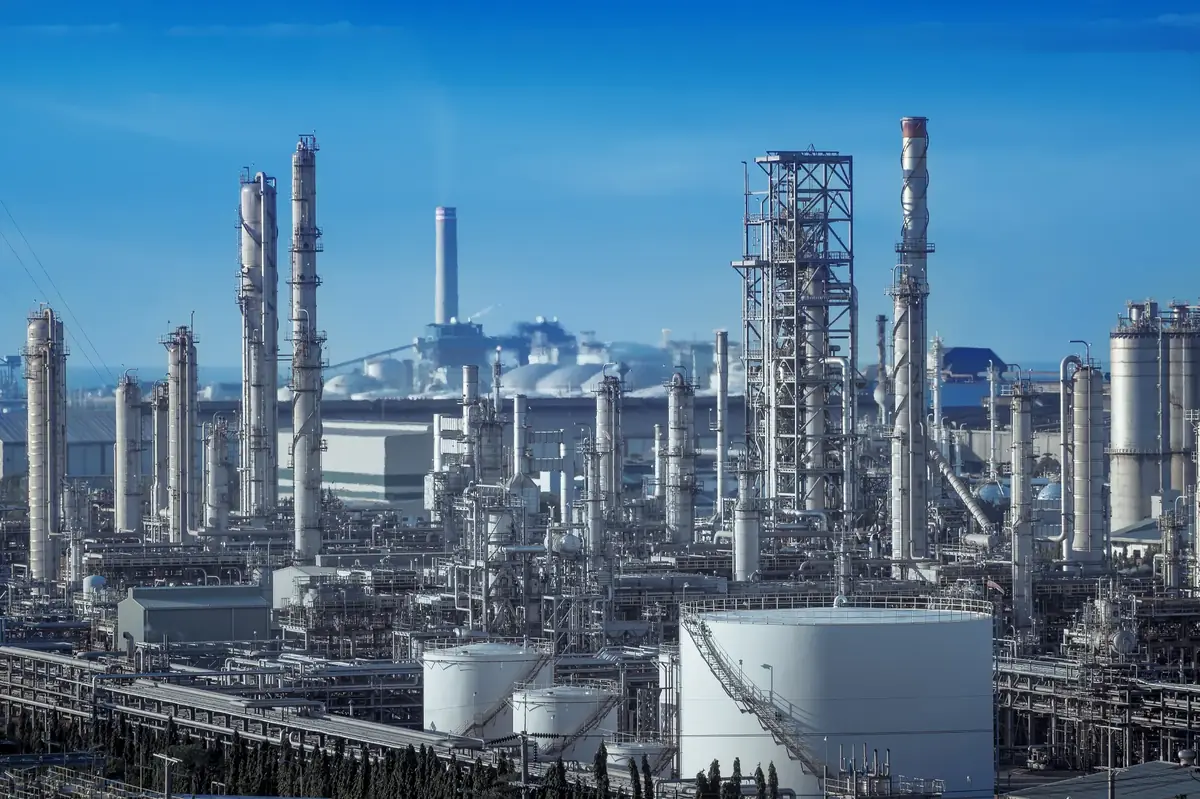
NET WIZARDS instruments wellheads, pipelines, tank farms and process plants across the UAE and the wider GCC, so remote and hazardous assets report their condition continuously even where terrestrial networks do not reach.
Wellheads, valve stations and pipeline corridors report pressure, flow and equipment condition over long range wireless or satellite links.
Edge analytics compare live readings against expected operating envelopes and raise an alert when behaviour drifts, before it becomes a loss of containment or a stoppage.
Routine readings arrive automatically, so field crews travel for work that genuinely needs a person on site rather than for data collection.
Every reading, alarm and operator response is time stamped and retained, which makes HSE reporting and audit preparation an export rather than an exercise.
Industry overview
Capabilities
Each capability is delivered as one integrated system, from the instrument in the field through the gateway and the network to the platform your teams use every day.
Pressure, temperature, flow, level and valve position captured from field instruments and RTUs, with engineering units and tag names documented per asset.
Satellite and non terrestrial network links, long range wireless and 4G are combined so sites keep reporting when a single path is unavailable.
Rugged gateways and edge computers normalise protocols, buffer readings during outages and run local rules and analytics next to the process.
Existing cameras are used to flag missing personal protective equipment, restricted area entry and man down events for supervisor verification.
Ruggedised switches, routers and wireless bridges provide deterministic networks across plants, terminals and remote facilities.
Segmented networks, outbound only connections where required, encrypted transport and role based access keep monitoring separate from control.
Solution architecture diagram
Field instruments and existing control equipment are read where they already are. Data is normalised and buffered at the gateway, then forwarded over the most reliable available path to the platform. Control authority stays with the existing SCADA and DCS systems.
Line pressure, differential pressure and flow rate
Process and ambient temperature, tank and vessel level
Vibration signature, casing temperature and run hours
Process tags already collected by the control system
The uplink is chosen per site during survey. Long range wireless covers field clusters, 4G is used where coverage is verified, and satellite or non terrestrial links serve locations with no terrestrial service.
Rugged gateways read Modbus, OPC-UA and pulse inputs, convert them to a single message format, buffer readings when the link drops and forward them in order when it returns. Local rules keep working during an outage.
Device management, secure ingestion, time series storage, rules and alerting, role based access and open interfaces for integration with the systems already in use.
One picture across fields, pipelines and plants, with alarms routed by area and severity.
Condition trends and run hours feed planned interventions instead of reactive call outs.
Event history, response times and safety detections exported for internal and regulatory reporting.
Focus areas
Technical deployment
Hydrocarbon sites impose constraints that decide the design. Every project begins with an engineering assessment and ends with acceptance criteria agreed before handover.
Device selection follows the area classification of each location, with enclosure ratings, mounting method and cable entries documented per installation point.
Modbus RTU and TCP, OPC-UA, MQTT with Sparkplug B and pulse inputs, mapped tag by tag so every value has a known source and unit.
Link budget, antenna placement and fallback path per site, including satellite or non terrestrial options for locations with no cellular coverage.
Commissioning tests per asset, remote diagnostics, spare strategy for field devices and a documented escalation path for critical alarms.
Delivery path
Our engineers survey the assets, control systems, network paths and reporting needs on site, then agree which data carries real operational value.
Device lists, placement drawings, protocol mapping, radio planning, security boundaries and platform structure are documented before anything is ordered.
One area, line or asset group is instrumented and validated against acceptance criteria agreed with your team in advance.
The validated pattern is repeated across the remaining assets and sites, with configuration and device management handled centrally.
Dashboards, alerts and reports are handed over to your teams with training, remote diagnostics, tuning and a documented escalation path.
Figures are indicative of past deployments. Results for your sites depend on the assets, connectivity and processes recorded during the engineering assessment.
Oil and gas programmes usually combine our Industry 4.0 architecture, wireless and satellite connectivity and the Industrial Cloud platform, with rugged gateways and networking hardware supplied from our product range.
Explore our solution portfolio, product range and the other industries we serve.