NET WIZARDS
    Night view of a connected city skyline representing municipal smart city infrastructure

    Smart city and municipality solutions

    Connected municipal infrastructure for parking, lighting, waste, water and environment

    NET WIZARDS deploys battery operated sensors, long range wireless networks and a single city platform so municipalities in the UAE and GCC can measure how their infrastructure is actually performing and act on it the same day.

    What Smart Cities operators gain

    Services measured, not estimated

    Occupancy, fill level, flow, light status and air quality are reported by the asset itself instead of being inferred from schedules and complaints.

    Crews sent where the work is

    Collection, inspection and repair rounds follow live status, which removes visits to assets that need nothing.

    One platform across departments

    Parking, lighting, waste, water, environment and access data share one map, one alert model and one reporting structure.

    Retrofit without street works

    Battery devices and long range wireless keep civil work to a minimum, so existing streets and buildings can be instrumented in stages.

    Industry overview

    Smart Cities & Municipalities in the UAE and the wider GCC

    Cities across the MENA region are rapidly modernizing, and municipalities are under pressure to deliver cleaner, safer, more efficient urban environments. Achieving this requires infrastructure that can sense, communicate, and respond in real time. NET WIZARDS enables this transformation by deploying unified smart‑city stacks that integrate sensor networks, ANPR systems, environmental monitoring, and municipal operations into a single, cohesive platform. This creates a city that not only listens and reports, but continuously improves. By combining long‑range wireless networks, AI‑powered analytics, and a centralized operations dashboard, we help municipalities gain full visibility over parking, lighting, waste, utilities, mobility, and environmental conditions. The result is a more connected, data‑driven city capable of reducing congestion, improving service delivery, and enhancing the overall quality of life for citizens and visitors.

    The operating reality for municipal teams

    • Each service was procured separately, so every department reads a different dashboard and no one sees the city as a whole.
    • Field assets are spread across large areas where mains power and cabling are expensive or impossible to add.
    • Faults are reported by residents rather than by the asset, which delays response and damages confidence.
    • Collection, inspection and enforcement routes are fixed, so effort is spent on assets that do not need attention.
    • Reporting to leadership is compiled by hand from separate systems and is out of date before it is read.

    Capabilities

    Municipal capabilities delivered as one stack

    Every service uses the same network, the same device management and the same platform, which keeps integration cost down as more use cases are added.

    Smart parking and enforcement

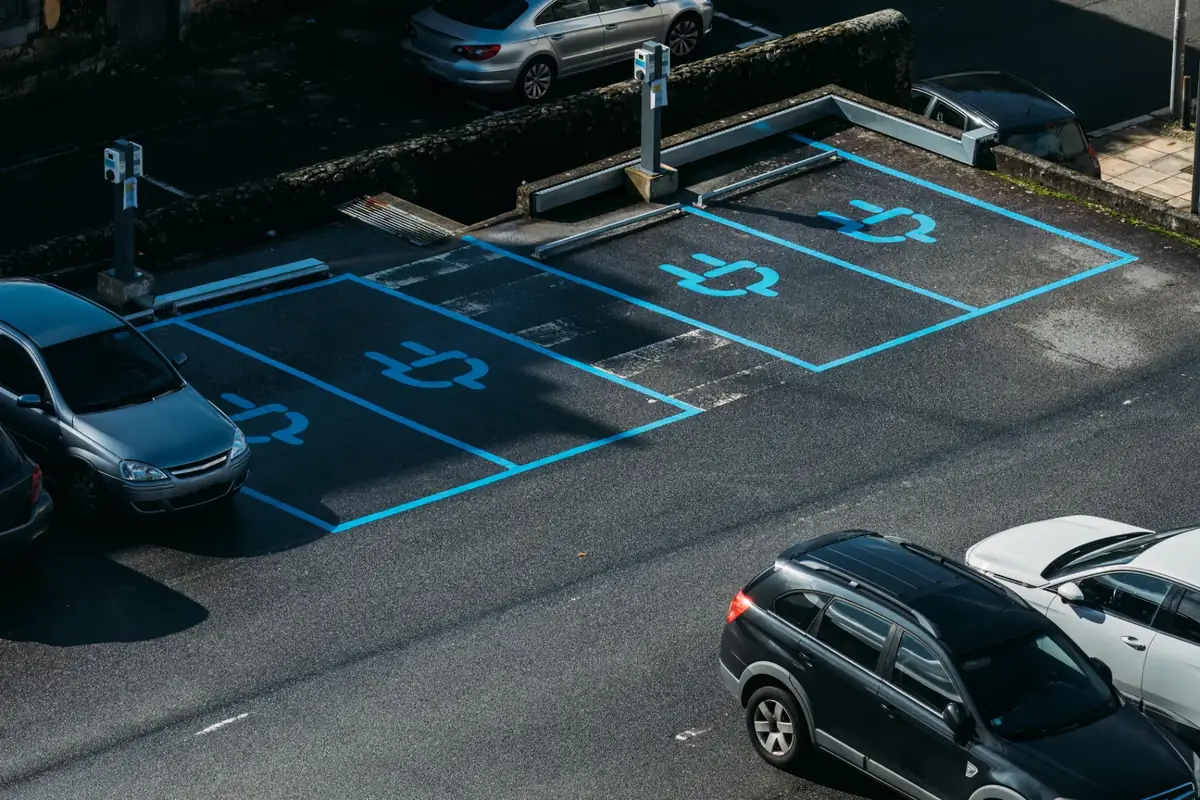
    Bay level occupancy sensing with plate recognition at entry and enforcement points, guidance for drivers and live occupancy for operations.

    Intelligent street lighting

    Per pole control and monitoring with schedules, dimming profiles, fault detection and energy reporting by feeder and zone.

    Smart waste management

    Fill level sensing in bins and containers, with collection routes built from measured fill instead of a fixed calendar.

    Water, flood and manhole monitoring

    Level, flow and cover status across networks and low lying areas, with early warning before an overflow becomes an incident.

    Environment monitoring

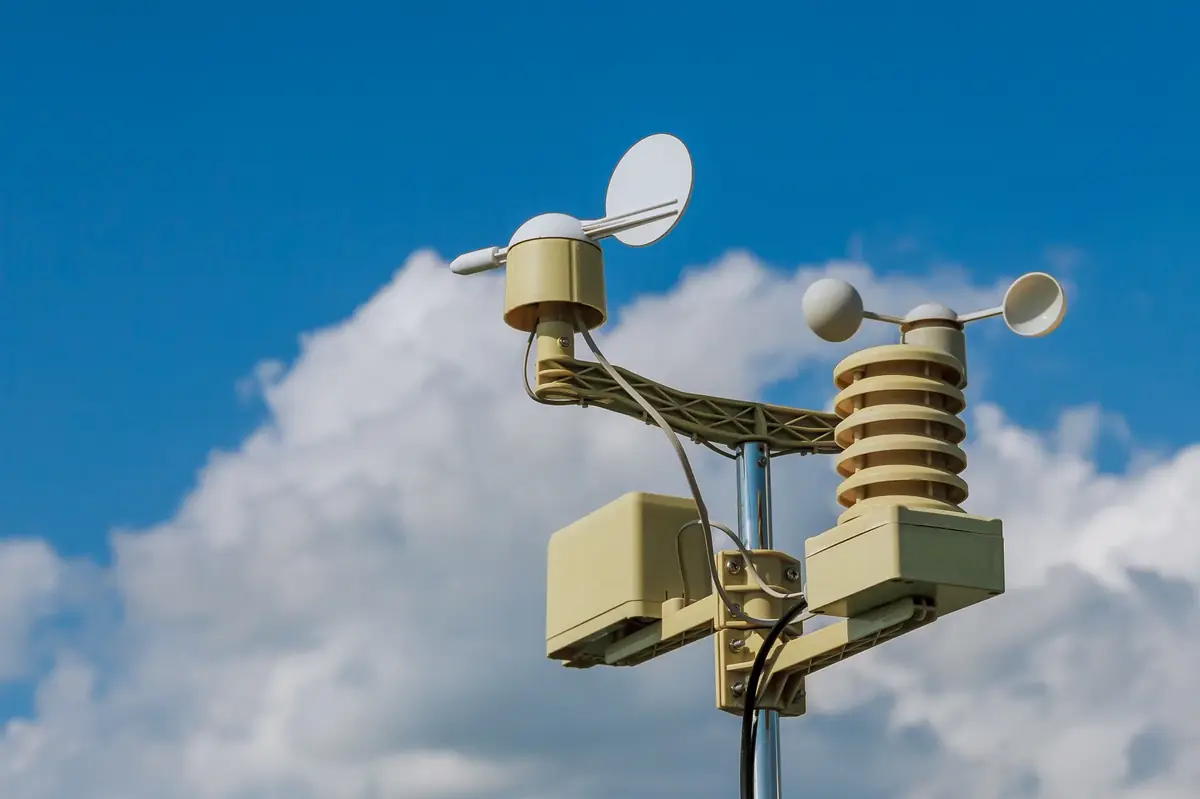
    Air quality, noise, weather and water quality measured continuously and published to dashboards and public channels.

    Access and asset security

    Remote monitored locks and door status on cabinets, pump rooms and municipal assets, with a full event history.

    Solution architecture diagram

    How smart city infrastructure monitoring works, from sensor to cloud platform

    Battery operated sensors on streets, in bins, on poles and inside chambers send short messages over a low power wide area network. Gateways forward them to the city platform, where each service has its own rules, dashboards and reports.

    01

    Across the city

    Field devices and placement

    Parking bay sensors

    Bay occupied or free, with event time

    Placement
    Surface mounted or flush fitted in each bay
    Power
    Battery, multi year

    Waste fill sensors

    Fill level, temperature and tilt or fire warning

    Placement
    Inside bin and container lids
    Power
    Battery, multi year

    Level and flow sensors

    Water level, flow rate and manhole cover status

    Placement
    Chambers, culverts, pump rooms and low lying points
    Power
    Battery or mains

    Environment monitors

    Particulates, gases, noise, temperature and humidity

    Placement
    Poles, facades and roadside cabinets
    Power
    Solar with battery or mains
    02

    Wireless connectivity

    Low power wide area network

    LoRaWAN or NB-IoT

    Long range low power radio suits devices that send small messages for years on a battery. Coverage is planned per district and verified with a site survey before rollout.

    Gateways and network server

    Gateways on municipal buildings, poles and towers forward frames to the network server, which decodes payloads, removes duplicates from overlapping gateways and buffers during backhaul interruption.

    03

    Cloud platform

    Storage, rules and reporting

    Platform services

    Device management, secure ingestion, time series storage, rules and alerting, role based access and open interfaces for integration with the systems already in use.

    • Live status of every asset on one city map
    • Service specific rules, thresholds and escalation
    • Work orders and route plans built from measured status
    • Trend and performance reporting per district and service
    • Device battery, signal and fault health across the estate
    04

    Who acts on the data

    Operations and reporting

    City operations centre

    One live picture across services, with alerts routed to the responsible department.

    Field and collection crews

    Daily routes and tasks driven by live asset status rather than fixed schedules.

    Residents and visitors

    Parking availability, environmental information and service updates published through city channels.

    Architecture shown in schematic form. Device counts, gateway positions, radio coverage and integration with municipal systems are defined per district during design.

    Focus areas

    Where Smart Cities programmes usually start

    Smart Mobility & Parking for smart cities & municipalities operations
    01

    Smart Mobility & Parking

    Urban mobility challenges, from congestion to inefficient parking, require real‑time intelligence and automation. NET WIZARDS deploys sensor‑based parking systems, ANPR‑enabled enforcement, and citizen‑facing mobile apps that provide instant visibility into parking availability and traffic flow. These systems reduce search time, improve compliance, and increase revenue collection while enhancing the overall mobility experience. Our solutions integrate seamlessly with municipal enforcement systems, payment gateways, and city dashboards, enabling automated violation detection, dynamic pricing, and data‑driven mobility planning. With accurate occupancy data and unified analytics, cities can optimize parking assets, reduce congestion, and deliver a smoother, more predictable mobility experience for residents and visitors.
    Environment & Utilities for smart cities & municipalities operations
    02

    Environment & Utilities

    Environmental quality and utility performance are central to a modern, resilient city. NET WIZARDS deploys a wide range of smart‑city sensors, including air‑quality monitors, flood‑level sensors, smart waste bins, and intelligent street‑lighting systems, all connected through secure, long‑range wireless networks. These devices provide continuous, high‑accuracy data that helps municipalities detect issues early and respond proactively. All environmental and utility data is unified on a single municipal dashboard, giving city operators real‑time visibility across critical services. Automated alerts, trend analytics, and predictive insights enable faster decision‑making, improved resource allocation, and more efficient service delivery. This integrated approach strengthens urban resilience and supports long‑term sustainability goals.

    Technical deployment

    Designed for public infrastructure

    Municipal deployments live outdoors for years with minimal intervention. Device selection, radio planning and platform structure are documented per district before installation.

    Network planning

    Coverage modelling and field survey per district, gateway placement on municipal assets and verified signal margin in underground and dense areas.

    Platform and integration

    Device management, time series storage, rules and alerting, with documented interfaces to enforcement, payment, work order and geographic information systems.

    Security and data handling

    Encrypted transport, role based access per department, tenant separation and retention rules agreed for any data that relates to people or vehicles.

    Operations and maintenance

    Battery and fault monitoring per device, planned replacement cycles, spare holding and a documented escalation path for critical services.

    Delivery path

    How a Smart Cities programme is delivered

    01

    Assess

    Our engineers survey the assets, control systems, network paths and reporting needs on site, then agree which data carries real operational value.

    02

    Design

    Device lists, placement drawings, protocol mapping, radio planning, security boundaries and platform structure are documented before anything is ordered.

    03

    Pilot

    One area, line or asset group is instrumented and validated against acceptance criteria agreed with your team in advance.

    04

    Scale

    The validated pattern is repeated across the remaining assets and sites, with configuration and device management handled centrally.

    05

    Operate

    Dashboards, alerts and reports are handed over to your teams with training, remote diagnostics, tuning and a documented escalation path.

    Reference figures from delivered work

    3000+
    Connected smart-parking bays
    -25%
    Lighting energy consumption
    6
    MENA cities served

    Figures are indicative of past deployments. Results for your sites depend on the assets, connectivity and processes recorded during the engineering assessment.

    Frequently asked questions

    Do these systems require trenching and cabling on every street?
    No. Most field devices are battery operated and communicate over long range wireless, so installation is a fixing task rather than a civil works project. Mains power is used only where a device needs it, such as cameras and guidance displays.
    How long do the batteries last?
    Device battery life depends on the reporting interval and the radio conditions at each location, and is calculated during design for the profile you need. Battery level is monitored per device so replacement is planned rather than discovered after a failure.
    Can we start with one service and add others later?
    Yes, and that is the usual path. The same wireless network, device management and platform serve every service, so parking, lighting, waste, water and environment can be added in stages without a new platform each time.
    Will it integrate with the systems the municipality already uses?
    Yes. The platform publishes open interfaces for enforcement, payment, work order, asset and geographic information systems, and the integration points are agreed during design.
    Which cities and regions do you deliver in?
    NET WIZARDS delivers smart city programmes across the United Arab Emirates and the wider GCC, with more than twenty years of engineering delivery in the MENA region.

    Related solutions and industries

    Municipal programmes combine our Smart City solution set, wireless technologies and the Industrial Cloud platform, using sensors, gateways and controllers listed under products.

    Explore our solution portfolio, product range and the other industries we serve.

    Discuss your Smart Cities project

    Tell us about your sites, assets and reporting needs. Our engineers will respond within one business day.