NET WIZARDS
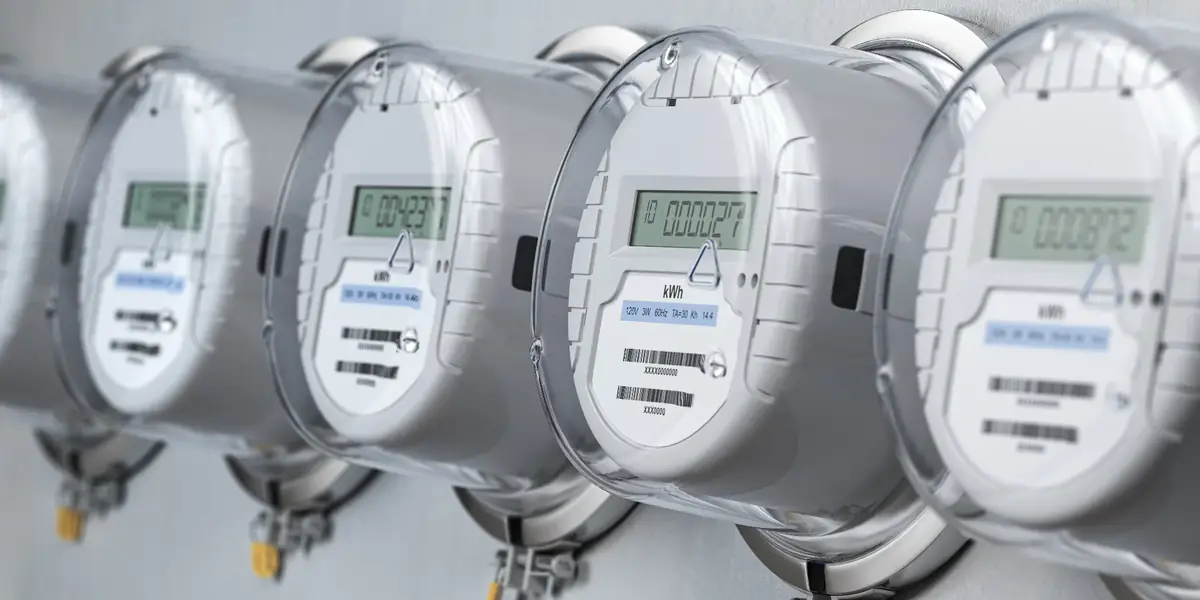
    Electricity grid infrastructure with digital metering and network connectivity

    Utilities and energy solutions

    Advanced metering, sub metering and network visibility for utilities and developers

    NET WIZARDS delivers advanced metering infrastructure for electricity, water, gas and cooling, combining smart meters, protocol gateways and long range wireless into one platform that feeds billing, cost allocation and loss investigation.

    What Utilities operators gain

    Readings without site visits

    Consumption is collected automatically at the interval you need, which removes manual reading rounds and the estimates that follow a missed read.

    Billing built on measured data

    Interval data with a device level audit trail replaces estimation, which reduces disputes and shortens the billing cycle.

    Losses located, not just totalled

    Comparing bulk supply against downstream meters isolates where non revenue water and electricity are occurring instead of reporting a single site figure.

    Cost allocated to the consumer

    Sub metering by tenant, zone and major equipment turns a single landlord bill into accurate, defensible allocation.

    Industry overview

    Utilities & Energy in the UAE and the wider GCC

    Utilities across the MENA region are under increasing pressure to reduce losses, improve billing accuracy, and modernise their distribution networks. Achieving this requires real‑time visibility into electricity, water, and BTU consumption across residential, commercial, and industrial customers. NET WIZARDS enables this transformation through a unified AMI ecosystem that integrates smart meters, M‑Bus/Modbus gateways, and long‑range LoRaWAN connectivity into a single, intelligent platform. This provides utilities and developers with precise consumption data, actionable insights, and seamless integration into existing billing and cost‑allocation systems. Our platform is engineered to support large‑scale deployments across mixed‑use developments, industrial parks, and high‑density urban environments. With native compatibility for DEWA, SEWA, and other regional billing frameworks, we help utilities streamline operations, reduce non‑revenue water and electricity losses, and deliver transparent, accurate billing to tenants and end‑users. The result is a smarter, more efficient grid built for the next generation of utility management.

    The pressures on utility and energy operators

    • Manual reading is slow, expensive and impossible to schedule consistently across large mixed use developments.
    • Non revenue water and electricity are visible in the totals but cannot be traced to a zone or a connection.
    • Meters from several manufacturers speak different protocols and store data in incompatible formats.
    • Billing and cost allocation teams need interval data with an audit trail, not a monthly number.
    • Peak demand charges are incurred before anyone can see the load that caused them.

    Capabilities

    Metering and network capabilities

    The same architecture serves a single development and a multi site portfolio, with meters, gateways, network and platform delivered and supported as one system.

    Advanced metering infrastructure

    Electricity, water, gas and cooling meters read at interval, with device management, firmware control and read success monitoring per meter.

    M-Bus and Modbus gateways

    Existing meters and instruments are brought into the platform through protocol conversion, without replacing working metering assets.

    Long range wireless collection

    Low power wide area radio reaches meter rooms, basements and distributed assets where cabling is impractical and cellular coverage is weak.

    Tenant and zone sub metering

    Consumption split by tenant, floor, zone and major equipment for accurate cost allocation in malls, communities and industrial parks.

    Loss and anomaly detection

    Bulk against downstream comparison, night flow analysis, reverse flow, tamper and no read flags raised as actionable events.

    Billing and ERP integration

    Validated interval data exported to billing, cost allocation and enterprise systems through documented interfaces and open APIs.

    Solution architecture diagram

    How advanced metering infrastructure works, from sensor to cloud platform

    Meters are read in place, whether they are new communicating units or existing meters behind a protocol gateway. Readings travel over long range wireless to the platform, where they are validated before they reach billing.

    01

    In the meter room and across the network

    Field devices and placement

    Electricity meters

    Energy, demand, power factor and interval profile

    Placement
    Distribution boards, risers and tenant meter rooms
    Power
    Mains with current transformers

    Water and cooling meters

    Volume, flow rate and thermal energy for chilled water

    Placement
    Connection points, risers and plant rooms
    Power
    Battery or mains

    M-Bus and Modbus gateways

    Readings from existing meters and instruments

    Placement
    Meter room panels and cabinets
    Power
    Panel supply

    Network and quality sensors

    Pressure, voltage quality and bulk supply readings

    Placement
    Substations, pump stations and bulk metering points
    Power
    Mains or loop powered
    02

    Wireless connectivity

    Low power wide area network

    LoRaWAN or NB-IoT

    Long range low power radio penetrates meter rooms and basements that defeat cellular modules, and supports battery meters on multi year lifetimes. Coverage is verified per building during survey.

    Gateways and network server

    Gateways in risers, plant rooms and on rooftops forward frames to the network server, which decodes payloads, removes duplicates and buffers readings when the backhaul is interrupted.

    03

    Cloud platform

    Storage, rules and reporting

    Platform services

    Device management, secure ingestion, time series storage, rules and alerting, role based access and open interfaces for integration with the systems already in use.

    • Interval consumption per meter, tenant, zone and site
    • Validation, estimation and audit trail before billing export
    • Bulk against downstream balance for loss investigation
    • Tamper, reverse flow, no read and anomaly alerts
    • Billing, cost allocation and ERP integration through open APIs
    04

    Who acts on the data

    Operations and reporting

    Utility and developer operations

    Read success, balance and anomaly views across every connection under management.

    Billing and cost allocation

    Validated interval data with an audit trail, exported on the billing cycle.

    Field and maintenance teams

    Work lists for no read meters, suspected tamper and device faults, with location detail.

    Architecture shown in schematic form. Meter inventory, protocol mapping, gateway placement and billing integration are specified per development during design.

    Focus areas

    Where Utilities programmes usually start

    Advanced Metering Infrastructure for utilities & energy operations
    01

    Advanced Metering Infrastructure

    Utilities across the MENA region are under increasing pressure to reduce losses, improve billing accuracy, and modernize their distribution networks. Achieving this requires real‑time visibility into electricity, water, and BTU consumption across residential, commercial, and industrial customers. NET WIZARDS enables this transformation through a unified AMI ecosystem that integrates smart meters, M‑Bus/Modbus gateways, and long‑range LoRaWAN connectivity into a single, intelligent platform. This provides utilities and developers with precise consumption data, actionable insights, and seamless integration into existing billing and cost‑allocation systems. Our platform is engineered to support large‑scale deployments across mixed‑use developments, industrial parks, and high‑density urban environments. With native compatibility for reginal utility companies, and other regional billing frameworks, we help utilities streamline operations, reduce non‑revenue water and electricity losses, and deliver transparent, accurate billing to tenants and end‑users. The result is a smarter, more efficient grid built for the next generation of utility management.
    Grid & Sub-Metering for utilities & energy operations
    02

    Grid & Sub-Metering

    Large developments such as malls, mixed‑use communities, and industrial parks require granular visibility into energy and water consumption across tenants, equipment, and zones. NET WIZARDS deploys both LoRaWAN‑based wireless sub‑metering and traditional wired metering to provide accurate, scalable monitoring across complex infrastructures. Our systems are engineered for long‑range communication, low power consumption, and seamless integration with existing utility networks. By consolidating all sub‑metering data into a single dashboard, operators gain real‑time insight into consumption patterns, peak loads, and inefficiencies. This enables precise cost allocation, improved energy management, and better decision‑making for facility operators and developers. Whether retrofitting older buildings or deploying in new developments, our sub‑metering solutions deliver the accuracy and reliability required for modern grid optimization.

    Technical deployment

    Engineered for metering accuracy and scale

    Metering data ends up on an invoice, so the design prioritises traceability. Every meter, protocol and calculation is documented before the platform is used for billing.

    Meter inventory and mapping

    Every meter recorded with serial, location, tenant, multiplier and protocol, so each reading has a verifiable source and unit.

    Coverage and collection design

    Per building radio survey, gateway placement in risers and plant rooms, and confirmed read success targets before handover.

    Data integrity and access

    Encrypted transport, immutable reading history, validation and estimation rules and role based access across utility, landlord and tenant users.

    Operations and support

    Read success monitoring, exception work lists, firmware management and a documented escalation path for billing critical issues.

    Delivery path

    How a Utilities programme is delivered

    01

    Assess

    Our engineers survey the assets, control systems, network paths and reporting needs on site, then agree which data carries real operational value.

    02

    Design

    Device lists, placement drawings, protocol mapping, radio planning, security boundaries and platform structure are documented before anything is ordered.

    03

    Pilot

    One area, line or asset group is instrumented and validated against acceptance criteria agreed with your team in advance.

    04

    Scale

    The validated pattern is repeated across the remaining assets and sites, with configuration and device management handled centrally.

    05

    Operate

    Dashboards, alerts and reports are handed over to your teams with training, remote diagnostics, tuning and a documented escalation path.

    Reference figures from delivered work

    100k+
    Meters under management
    98%
    First-time read success
    -12%
    Non-technical losses detected

    Figures are indicative of past deployments. Results for your sites depend on the assets, connectivity and processes recorded during the engineering assessment.

    Frequently asked questions

    Do our existing meters have to be replaced?
    Usually not. Meters with a pulse output, M-Bus or Modbus interface are read through a protocol gateway and brought into the platform as they are. Replacement is proposed only where a meter cannot be read reliably or no longer meets accuracy requirements.
    Why use long range wireless instead of cellular modules in each meter?
    Meter rooms, basements and risers often have poor cellular coverage, and a module per meter multiplies subscriptions and battery drain. Long range low power radio reaches those locations with one gateway serving many meters.
    Can the data be used for tenant billing?
    Yes. Readings are validated, estimated where a read is missing according to agreed rules, and retained with a full audit trail, then exported to billing and cost allocation systems through documented interfaces.
    How are water and electricity losses identified?
    Bulk supply readings are compared with the sum of downstream meters for the same zone and period. Persistent differences, night flow patterns, reverse flow and tamper flags narrow the investigation to a specific zone or connection.
    Does the platform support several developments in one account?
    Yes. Sites, zones and tenants are modelled separately with role based access, so each stakeholder sees only their own consumption while the operator sees the full portfolio.

    Related solutions and industries

    Metering programmes combine our Smart City metering capability, wireless technologies and the Industrial Cloud platform, with meters, M-Bus and Modbus gateways and network hardware supplied from our product range.

    Explore our solution portfolio, product range and the other industries we serve.

    Discuss your Utilities project

    Tell us about your sites, assets and reporting needs. Our engineers will respond within one business day.