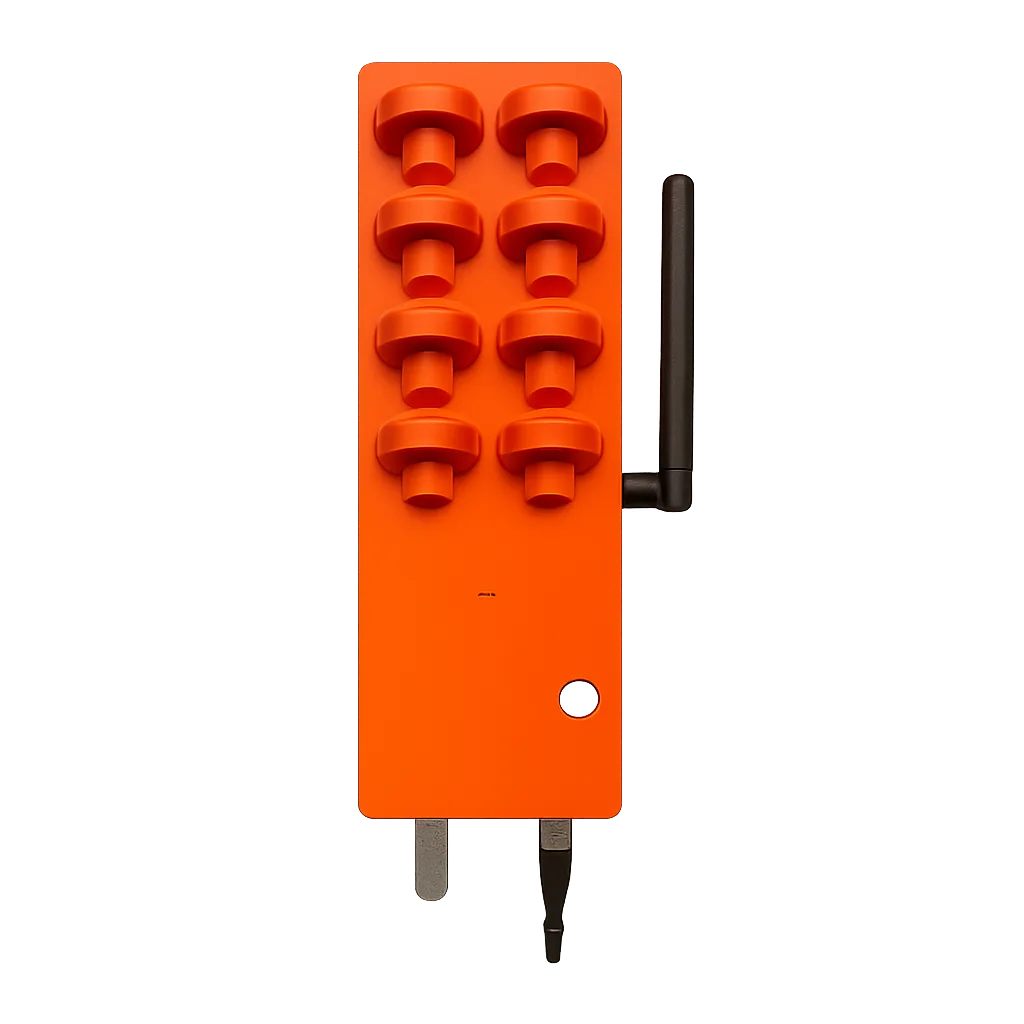

Air & Environmental Quality
Tracks air quality, gases, noise, and micro‑climate conditions for healthier, safer environments.
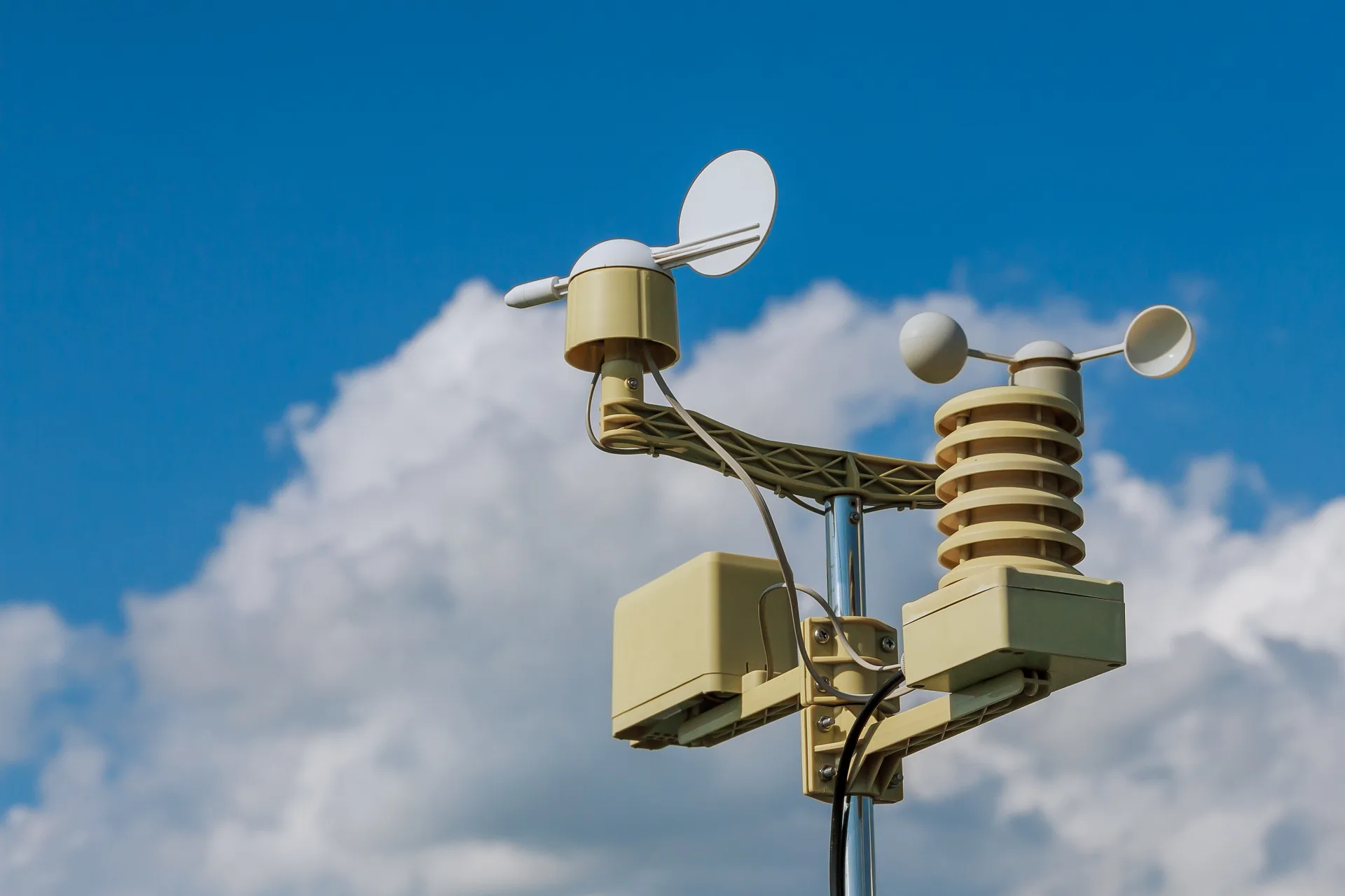
A unified IoT‑powered environmental monitoring solution that measures air, water, weather, noise, and flood conditions in real time to protect public health, ensure compliance, and support sustainable city operations.
Overview
The Environment Monitoring Solution provides a comprehensive, city‑wide sensing ecosystem that continuously measures critical environmental parameters including indoor and outdoor air quality, water quality, weather conditions, noise levels, and flood risks. Using advanced IoT sensors, PM2.5/PM10, CO₂, VOCs, NO₂, SO₂, pH, turbidity, dissolved oxygen, rainfall, lightning, decibel meters, and water‑level sensors, the system delivers real‑time, high‑accuracy data to help governments, industries, and communities detect pollution, prevent hazards, and maintain safe living and working environments.
This multi‑layered monitoring approach ensures early detection of environmental threats, enabling rapid response and proactive risk mitigation. All sensor data is centralized through the IoT cloud platform, which provides live dashboards, automated alerts, historical trend analysis, and AI‑driven predictive insights.
Whether deployed across schools, hospitals, construction sites, industrial zones, rivers, dams, or residential compounds, the solution empowers decision‑makers with actionable intelligence to improve sustainability, enhance regulatory compliance, and protect public health. By integrating environmental sensing into smart‑city infrastructure, the solution supports cleaner air, safer water, resilient infrastructure, and a more sustainable future.
Where it’s deployed
Real-world environments where Environment Monitoring delivers measurable operational value.
Tracks air quality, gases, noise, and micro‑climate conditions for healthier, safer environments.
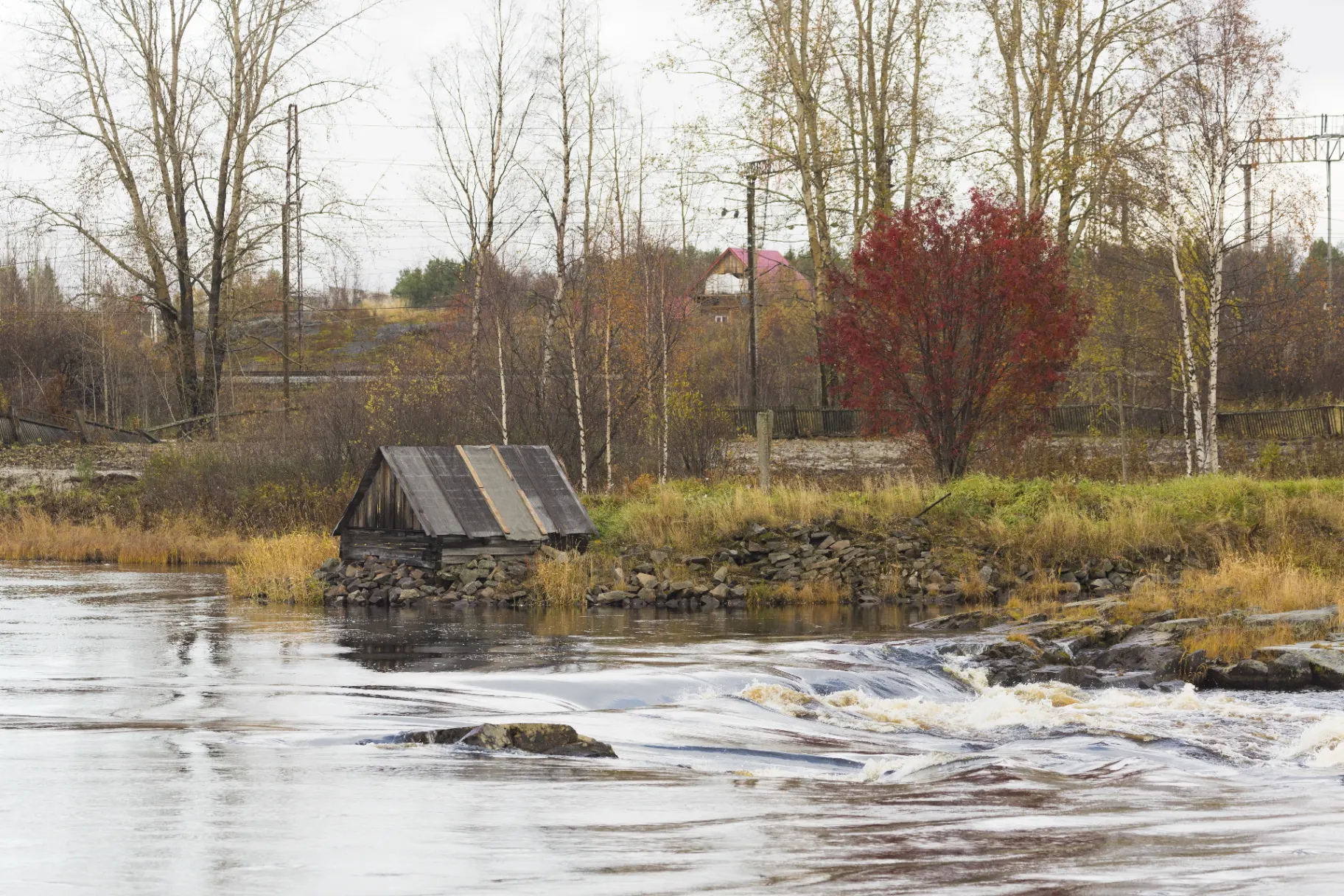
Provides real‑time water‑level alerts to prevent flooding and support rapid municipal response.
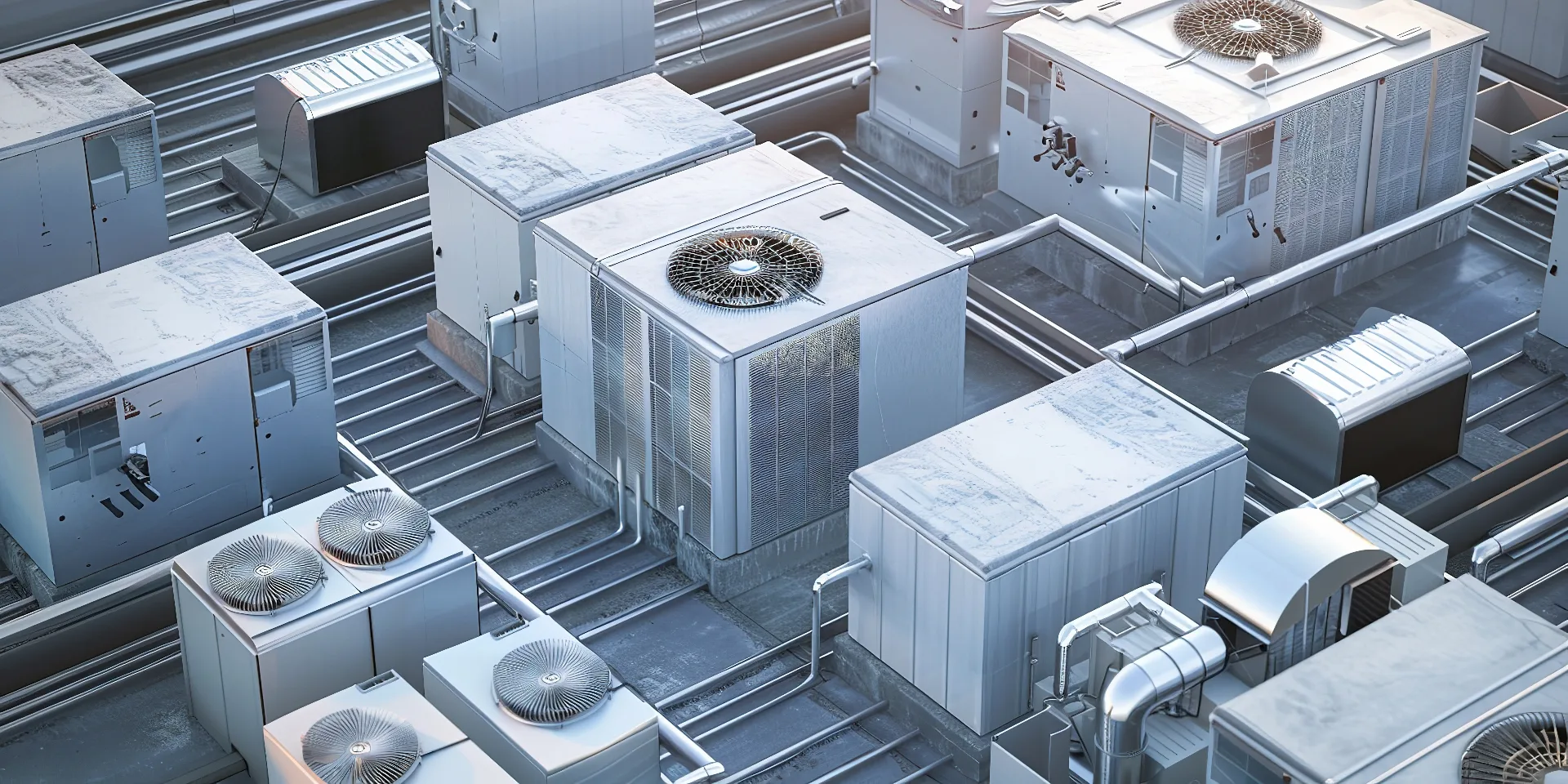
Monitors temperature, humidity, CO₂, and VOCs to maintain comfort and energy efficiency.

Detects emissions, leaks, and hazardous conditions to support regulatory compliance.
Solution architecture diagram
Air, water, weather, noise and flood readings are collected from fixed stations across a city or an industrial area, so exposure and compliance are measured continuously instead of during periodic sampling visits.
Particulate matter, gases, temperature and humidity
Quality parameters in tanks, channels and networks
Water level at underpasses, wadis and drainage points
Sound level, wind, rainfall and ambient conditions
Stations report on a fixed interval and immediately when a limit is exceeded, keeping data volumes small enough for low power wide area networking.
District gateways aggregate station traffic and forward it to the network server, which decodes each parameter and applies calibration factors agreed during commissioning.
Device management, secure ingestion, time series storage, rules and alerting, role based access and open interfaces for integration with the systems already in use.
Compliance records and exceedance history per location.
Flood and hazard alerts routed to the relevant control room.
Air quality and weather conditions published to city channels.
What it does
Engineered for real-world municipal and operator deployments — built to scale.
Continuous monitoring of PM2.5, PM10, CO₂, VOCs, NO₂, SO₂, O₃, and climate conditions for indoor and outdoor environments.
High‑precision sensing of pH, turbidity, dissolved oxygen, conductivity, and heavy metals for industrial, municipal, and natural water sources.
Comprehensive meteorological data including temperature, humidity, wind speed/direction, rainfall, barometric pressure, and lightning detection.
Accurate measurement of sound levels, frequency patterns, and structural vibrations for urban, industrial, and workplace safety compliance.
Real‑time water‑level tracking in manholes, rivers, dams, and coastal areas with flow meters and rainfall sensors for disaster prevention.
A centralized dashboard offering live data visualization, automated alerts, historical trends, multi‑site management, and AI‑powered predictive insights.
Hardware
Questions
Related reading: Smart City solutions, wireless technologies and smart cities industry page.
Smart City Specialist
Talk to our smart-city architects about pilots, integration, and operations.