
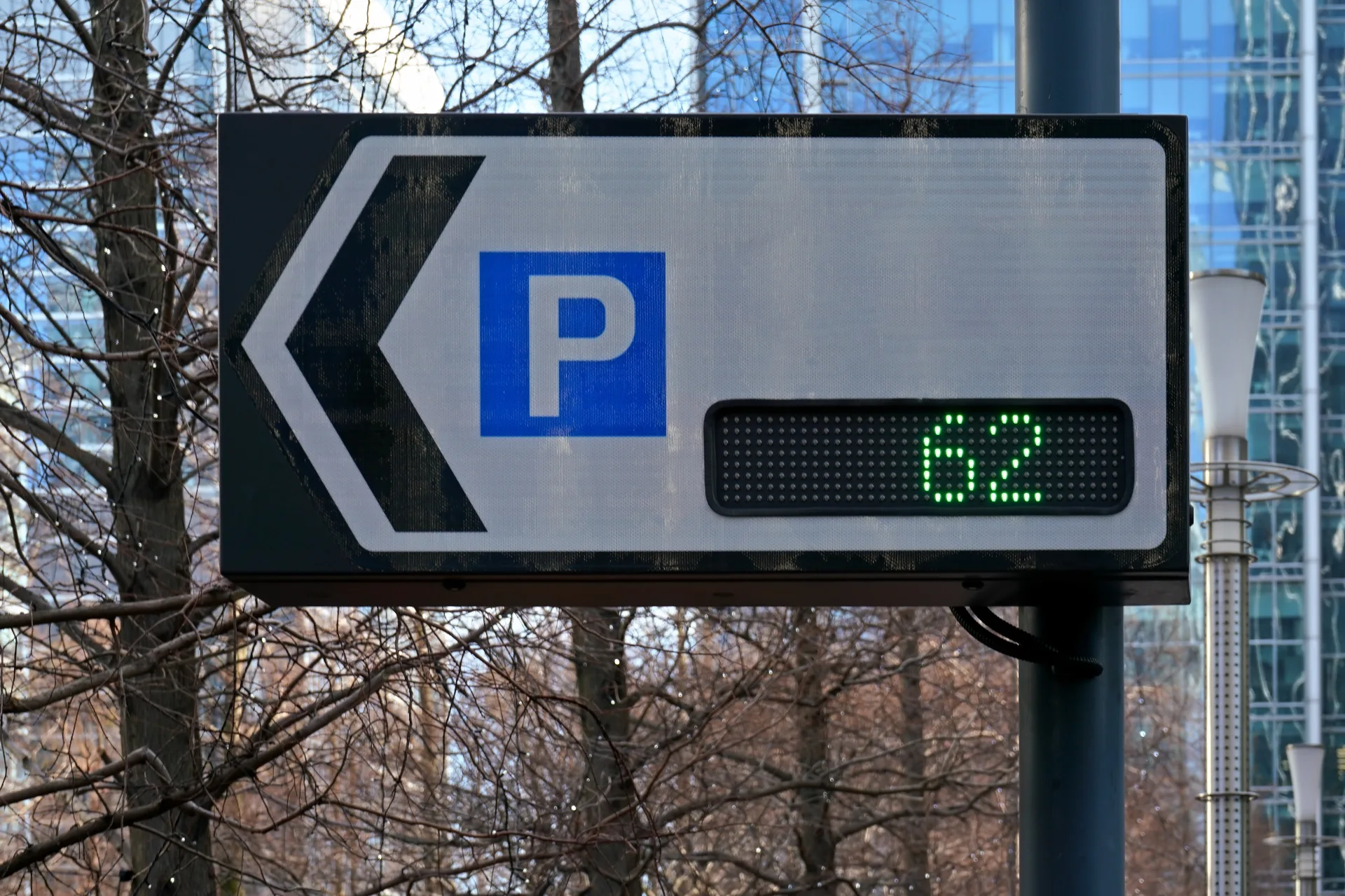
Municipal On‑Street Parking
Real‑time occupancy detection to guide drivers, reduce circling, and improve traffic flow.

Overview
The Battery-Operated Parking Management Sensor utilizes advanced technologies such as NB-IoT or LPWAN (e.g., LoRaWAN) to detect the occupancy and vacancy of parking spaces both indoors and outdoors. This system employs battery-operated parking sensors placed in individual parking spaces to monitor their availability in real-time. When a vehicle occupies or vacates a parking space, the sensors transmit data wirelessly to a centralized control system via NB-IoT or LPWAN communication networks.
The control system processes this data and updates the parking status information, which can be accessed by drivers through various channels such as a mobile app or large display screens located at strategic points within the parking facility or nearby areas.
Where it’s deployed
Real-world environments where Smart Parking delivers measurable operational value.
Real‑time occupancy detection to guide drivers, reduce circling, and improve traffic flow.
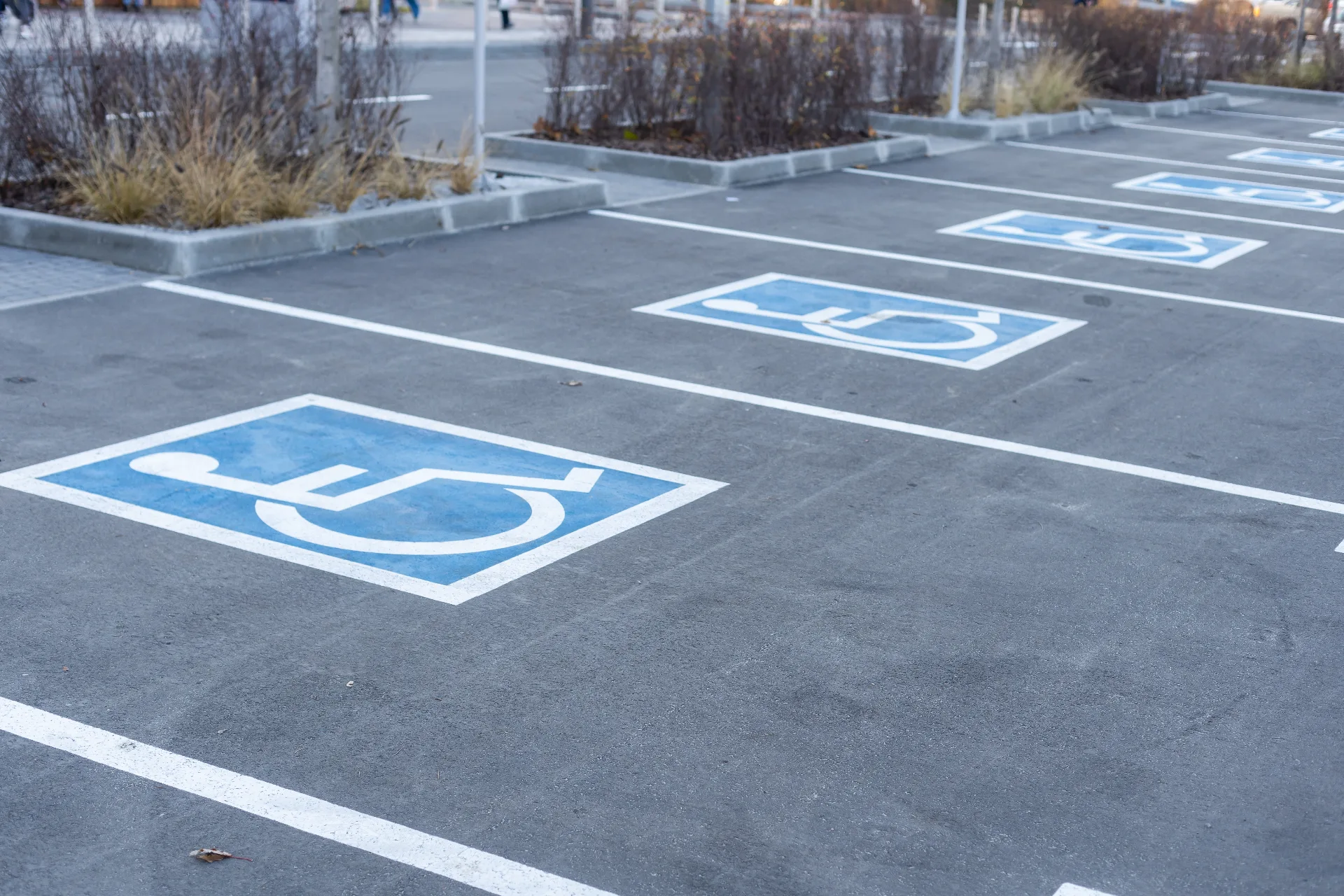
Monitors accessible bays and alerts for misuse to ensure availability for authorized users.
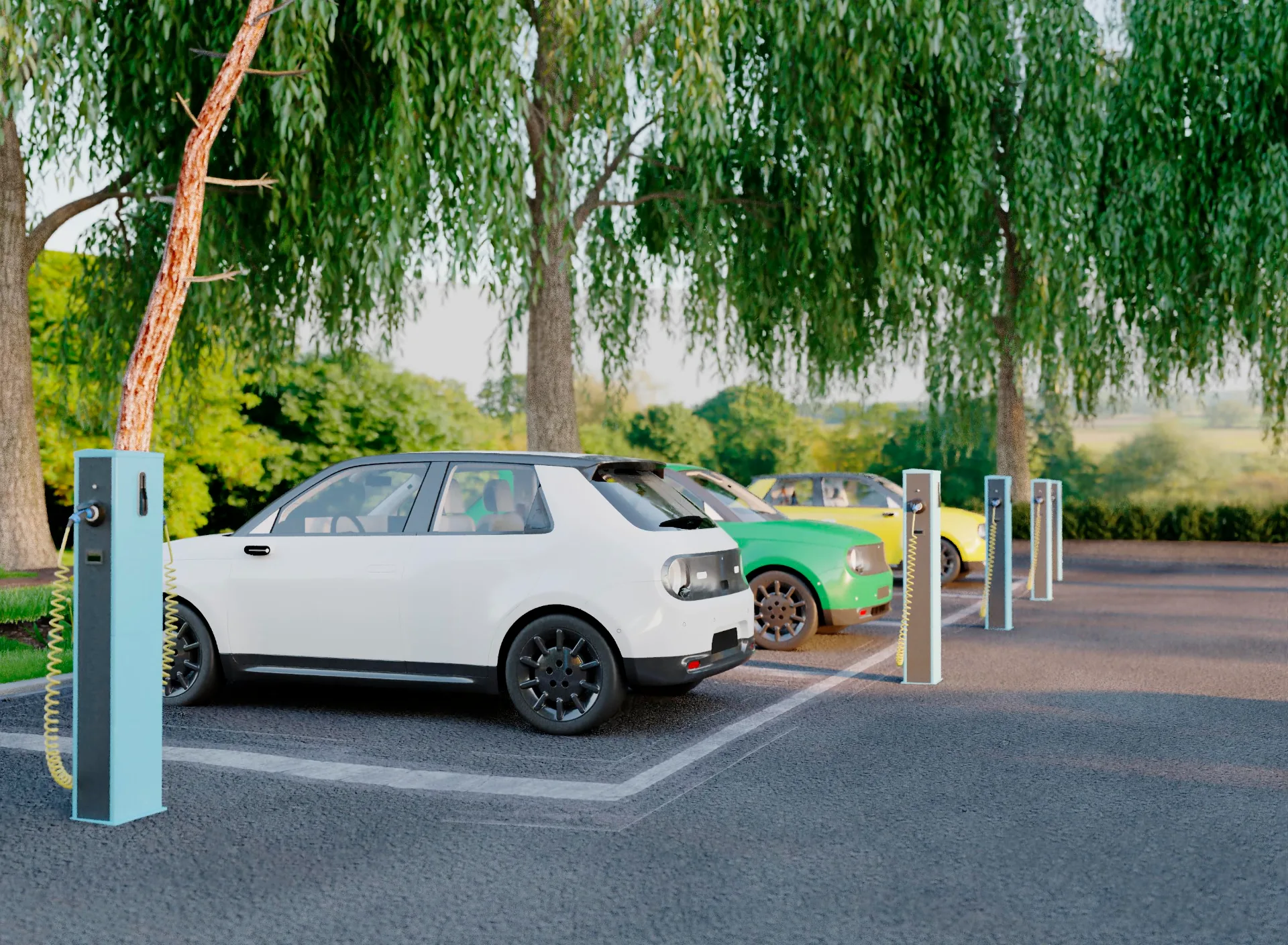
Detects presence at charging bays to prevent ICE‑ing and enforce fair, time‑limited usage.

Identifies illegal parking in restricted areas and triggers instant alerts for enforcement.
Solution architecture diagram
Each bay is instrumented individually, so occupancy is measured at the source rather than estimated from entry and exit counts. Sensors are battery operated and fitted without trenching or cabling per bay.
Vehicle present or bay free, with event time
Plate read at entry, exit and enforcement points
Free bay counts shown to drivers per level or zone
Bay sensors send a short message on each change of state and a periodic heartbeat. The radio choice is made per site, with underground decks verified during survey.
Gateways on poles, facades or inside car park structures forward frames to the network server, which decodes payloads, removes duplicates from overlapping gateways and buffers during backhaul loss.
Device management, secure ingestion, time series storage, rules and alerting, role based access and open interfaces for integration with the systems already in use.
Live board of occupancy and enforcement events by zone.
Availability published to apps, signage and wayfinding services.
Revenue, utilisation and compliance reporting per district or asset.
What it does
Engineered for real-world municipal and operator deployments — built to scale.
Our parking sensor offers easy installation and dismantling, providing a hassle-free solution for parking management. With a user-friendly design and straightforward mounting process, it can be effortlessly installed in various parking environments, whether indoor or outdoor.
Our parking sensor is equipped with versatile connectivity options, supporting both NB-IoT and LoRaWAN protocols. This dual-support ensures compatibility with a wide range of IoT networks, offering flexibility and scalability in deployment.
Our parking sensor is engineered for longevity, boasting an extended lifespan powered by a robust 38Ah battery. With this high-capacity battery, the sensor can operate reliably for an extended period, minimizing the frequency of battery replacements and ensuring continuous functionality.
Our parking sensor utilizes advanced detection modules, including Earth Magnet and mmWave pulse radar technology, to ensure accurate and reliable detection of parking space occupancy.
Our parking sensor provides instant, real-time reporting of parking space availability to drivers through intuitive interfaces such as mobile apps or display screens. With timely updates on vacant spaces, drivers can navigate efficiently and find parking quickly, minimizing congestion and enhancing the overall parking experience
Questions
Related reading: Smart City solutions, wireless technologies and smart cities industry page.
Smart City Specialist
Talk to our smart-city architects about pilots, integration, and operations.