
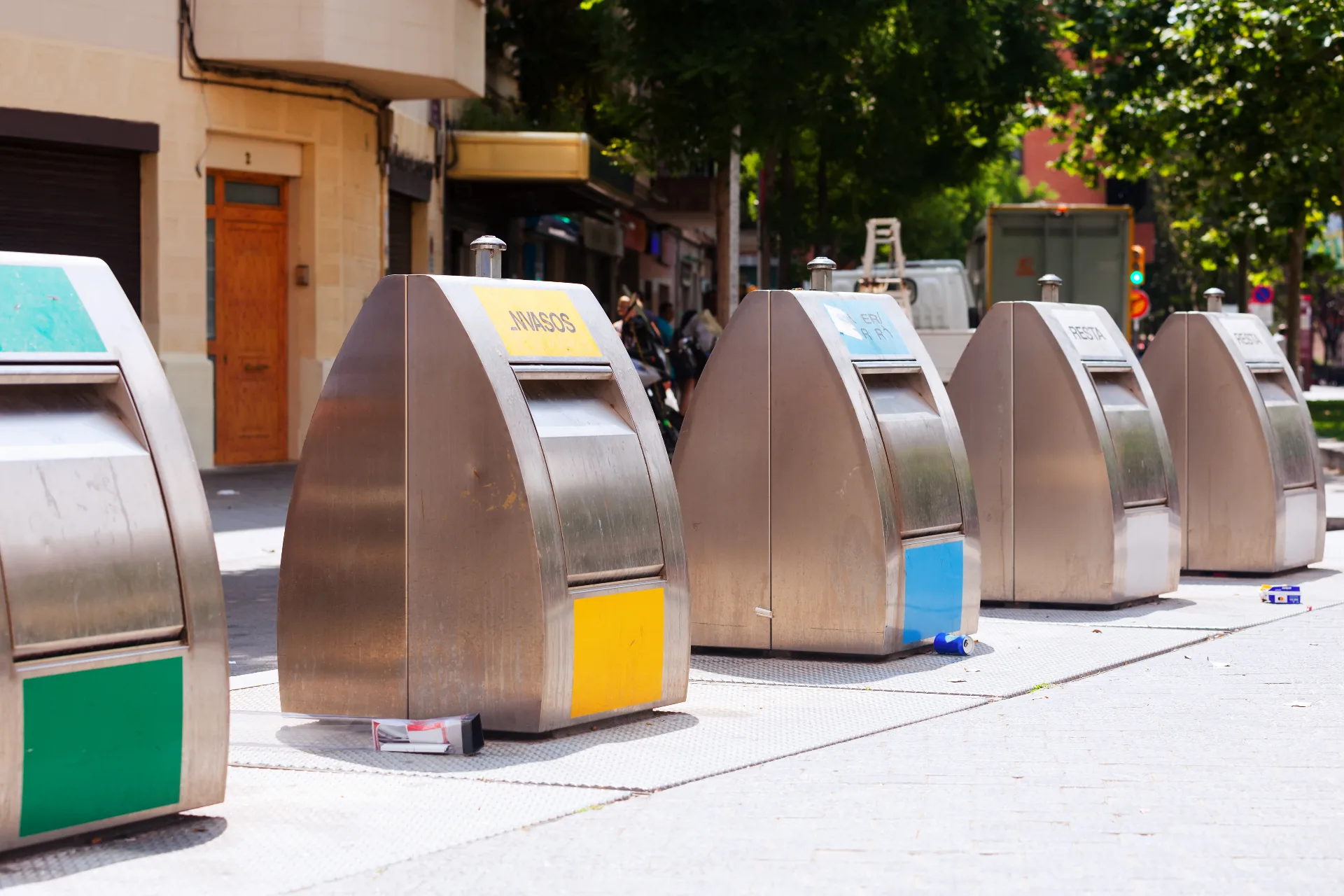
Municipal Street Waste Bins
Real‑time fill‑level monitoring for public bins to optimize collection and prevent overflow.
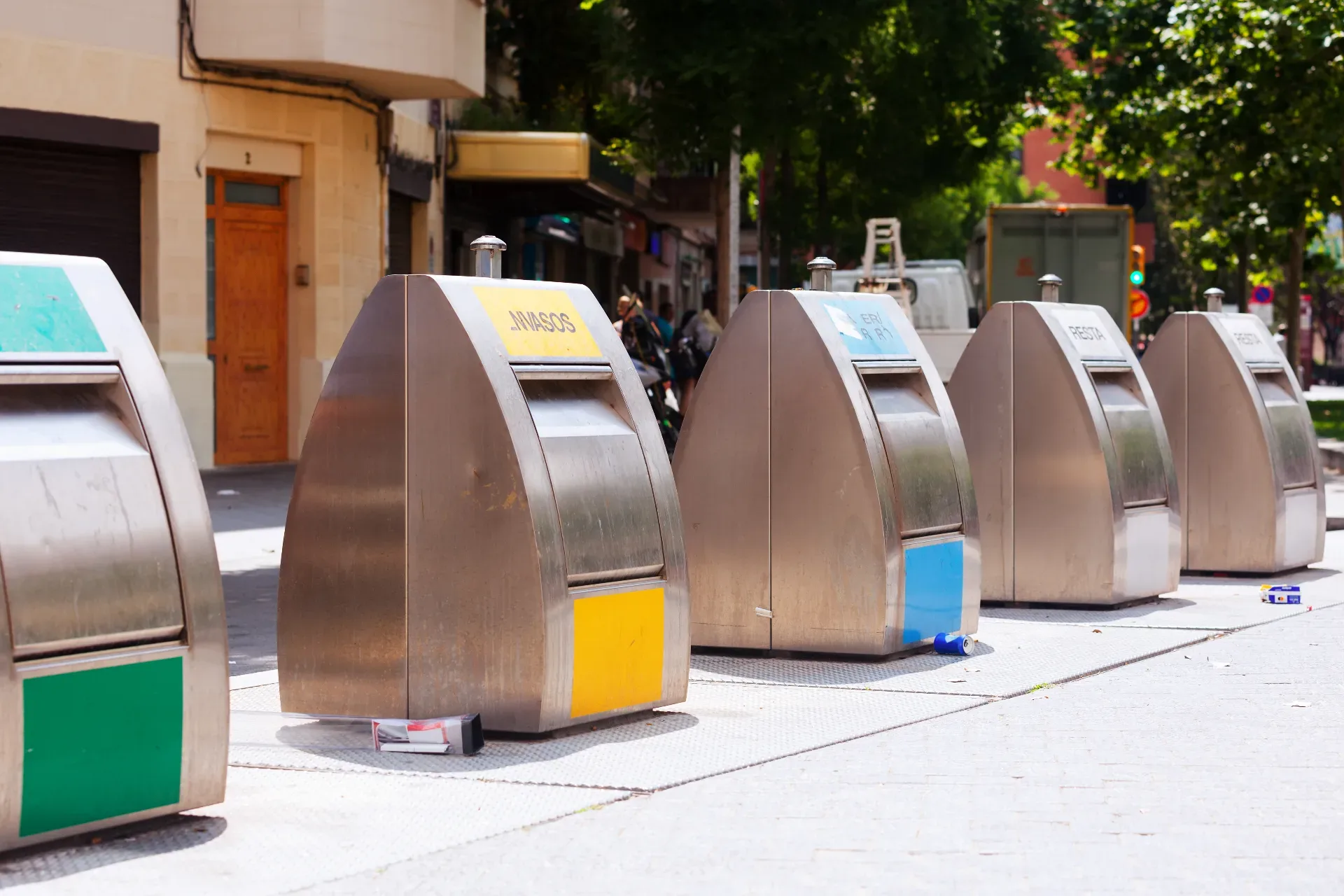
Overview
Smart Waste Bin technology is transforming urban waste management by using battery‑operated IoT sensors to continuously measure fill levels inside bins. Powered by high‑precision optical sensing and connected through LoRaWAN or NB‑IoT networks, these smart sensors transmit real‑time data to centralized Waste Management IoT platforms.
This enables municipalities and service providers to optimize collection routes, reduce operational costs, prevent overflow incidents, and improve overall city cleanliness through data‑driven decision‑making.
Where it’s deployed
Real-world environments where Smart Waste delivers measurable operational value.
Real‑time fill‑level monitoring for public bins to optimize collection and prevent overflow.

Tracks waste accumulation in towers to schedule pickups efficiently and maintain hygiene.

Monitors large temporary waste skips on construction sites, ensuring timely removal, preventing overfilling, and supporting compliance with site safety and environmental regulations.
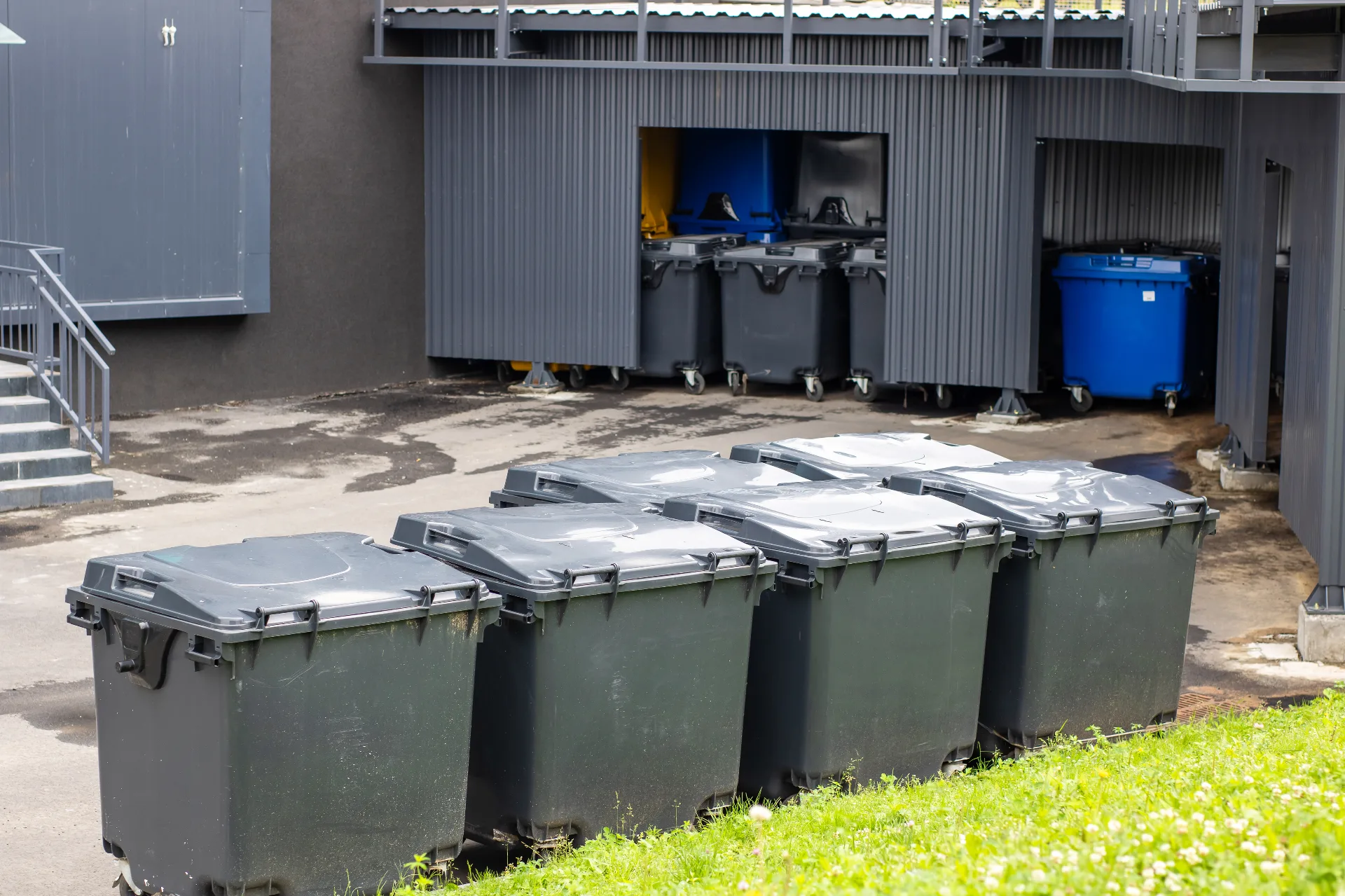
Provides accurate fill‑level data to reduce unnecessary trips and improve service quality.
Solution architecture diagram
Fill level is measured inside each container instead of being assumed from a fixed collection rota, so trucks are sent to bins that are actually full and skip the ones that are not.
Distance to waste surface converted to percentage full
Heat build up, fire risk, bin tipped or lid left open
Bin identity, location and service history
Bins report a small payload a few times per day, plus an immediate message when a threshold, a tilt or a temperature limit is crossed.
A small number of gateways cover a district of bins. The network server decodes fill readings and forwards them to the platform, holding traffic locally if the backhaul is interrupted.
Device management, secure ingestion, time series storage, rules and alerting, role based access and open interfaces for integration with the systems already in use.
Daily route list of bins that need service, on a mobile view.
Container performance, overflow trends and contractor compliance.
Cost, fuel and service level reporting per zone.
What it does
Engineered for real-world municipal and operator deployments — built to scale.
Our Wastebin sensor offers easy installation and dismantling, providing a hassle-free solution for Manhole management. With a user-friendly design and straightforward mounting process, it can be effortlessly installed in various Wastebins
Our Wastebin sensor is engineered for longevity, boasting an extended lifespan powered by a robust 38Ah battery. With this high-capacity battery, the sensor can operate reliably for an extended period, minimizing the frequency of battery replacements and ensuring continuous functionality.
Our Wastebin sensor is equipped with versatile connectivity options, supporting both NB-IoT and LoRaWAN protocols. This dual-support ensures compatibility with a wide range of IoT networks, offering flexibility and scalability in deployment.
These sensors are deployed within the Wastebin to measure the distance between the sensor and the waste surface. Using mmWave technology ensures accurate and reliable waste level measurements even in challenging environmental conditions.
By analyzing historical data on waste levels, the IoT platform can predict when bins will reach capacity and schedule timely pickups. This minimizes overflow incidents, reduces the risk of littering, and ensures efficient waste collection.
Questions
Related reading: Smart City solutions, wireless technologies and smart cities industry page.
Smart City Specialist
Talk to our smart-city architects about pilots, integration, and operations.